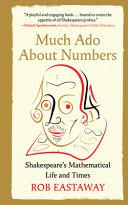
Much Ado About Numbers
Much Ado About Numbers by Rob Eastaway is one of 2026's most credible books, appearing on 1 of the year's most respected lists, including Bloomberg, for a Consensus Score of 12 out of 100.
Appears on these lists
Our take
AI-draftedEastaway's hook is narrow and well-chosen: not "math in general" but the specific numerical culture Shakespeare and his audiences actually lived in, how Elizabethans counted, measured, gambled, and thought about number symbolism, and how that shows up in the wordplay and structure of the plays themselves. Reviewers have responded to the book precisely because it doesn't force the connection; it uses Shakespeare as an entry point into genuine mathematical and social history rather than dressing up trivia in a famous name. The one recurring knock is a handful of minor factual over-simplifications, but reviewers raising that point still recommend the book without reservation.
In the press
“You can count on both Rob Eastaway and Shakespeare to make mathematics entertaining.”
Tim Rice, publisher-solicited endorsement
How the Consensus Score is calculated
Our Consensus Score is our own transparent editorial metric — not a user rating. It weighs each list by the credibility of its source, how recent the listing is, and any award status. Here is the full breakdown.
| Source | Authority | Recency | Award | Contribution |
|---|---|---|---|---|
| Bloomberg | 0.80 | 0.70 | 1.00× | 0.56 |
| Weighted sum → Score | 0.56 → 12 | |||
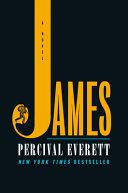
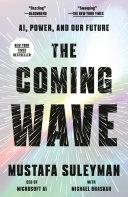
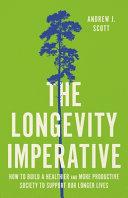
Similar consensus books
Because they appear on some of the same lists.

Frequently asked
What lists is Much Ado About Numbers on?
Much Ado About Numbers appears on 1 list in our 2026 corpus, including Bloomberg.
What is its Consensus Score?
Much Ado About Numbers has a Consensus Score of 12 out of 100, our transparent editorial measure of how many credible lists agree on it.